In today’s fast-paced commercial landscape, electricity is more than just a utility—it is the backbone of daily operations. From powering essential equipment and lighting to supporting data systems and security infrastructure, a dependable electrical system keeps a business productive, compliant, and competitive. Yet, many organizations underestimate the value of routine electrical maintenance until something goes wrong. Unexpected outages, equipment failures, and safety hazards can quickly disrupt workflow and erode profitability. That’s why investing in routine electrical maintenance for businesses is not just a preventive measure; it is a strategic decision that protects assets, employees, and long-term growth.
Routine electrical maintenance involves scheduled inspections, testing, cleaning, and repairs performed by licensed professionals to ensure that electrical systems remain safe and efficient. Unlike reactive repairs that address problems after they occur, preventive maintenance focuses on identifying potential issues before they escalate into costly emergencies. For business owners and facility managers, this proactive approach translates into fewer disruptions, improved safety, and greater confidence in their electrical infrastructure. Check out https://www.nashelectricnc.com/ for more details.
Reducing the Risk of Unexpected Downtime
Unplanned electrical failures are among the most disruptive events a business can experience. Whether it’s a blown transformer, overloaded circuit, or malfunctioning panel, even a brief interruption can halt operations, delay customer service, and compromise data integrity. In industries that rely heavily on continuous power—such as manufacturing, healthcare, hospitality, and retail—downtime can result in significant financial losses and reputational damage.
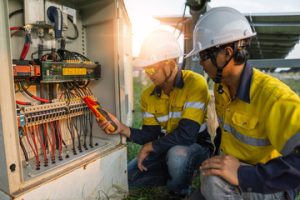
Routine electrical maintenance helps mitigate these risks by ensuring that all components of the electrical system are functioning properly. During scheduled service visits, electricians inspect wiring, panels, breakers, outlets, and equipment connections for signs of wear or damage. Loose connections, corroded terminals, and overloaded circuits are identified and corrected before they cause system failure. By addressing these issues early, businesses can maintain uninterrupted operations and avoid the high costs associated with emergency repairs.
Moreover, preventive maintenance often includes thermal imaging and load testing, which detect hidden problems that may not be visible during a standard inspection. These advanced diagnostics provide valuable insights into the health of the electrical system, allowing experts to implement targeted solutions that prevent future disruptions.
Enhancing Workplace Safety
Electrical hazards pose serious risks in commercial environments. Faulty wiring, outdated panels, and neglected equipment can lead to electrical fires, shocks, and arc flashes. Beyond the immediate danger to employees and customers, these incidents can trigger legal liabilities, insurance complications, and compliance violations.
Routine electrical maintenance plays a critical role in creating a safe workplace. Professionals evaluate the integrity of circuits, grounding systems, and protective devices to ensure they meet current safety standards. They also verify that circuit breakers and fuses are correctly rated and functioning as intended. Proper grounding and bonding are especially important in preventing electrical shocks and minimizing the risk of fire.
Businesses that prioritize electrical maintenance demonstrate a commitment to safety and regulatory compliance. Regular inspections and documented service records can also support insurance claims and audits, providing evidence that the organization takes proactive measures to reduce hazards.
Improving Energy Efficiency and Lowering Operating Costs
Energy efficiency is a growing concern for businesses seeking to control operational expenses and reduce their environmental footprint. An inefficient electrical system can quietly drain resources through energy loss, outdated equipment, and poorly balanced loads. Over time, these inefficiencies contribute to higher utility bills and unnecessary strain on infrastructure.
Routine electrical maintenance helps optimize system performance by identifying areas where energy is being wasted. For example, technicians may detect imbalanced circuits that cause certain equipment to work harder than necessary. They may also recommend upgrades to more efficient lighting systems, power distribution components, or surge protection devices.
By keeping electrical components clean and properly calibrated, maintenance reduces resistance and heat buildup—both of which can lead to energy loss. The result is a more streamlined and cost-effective operation that supports sustainability goals while improving the bottom line.
Extending the Lifespan of Equipment
Commercial electrical systems represent a significant investment. Switchgear, transformers, panels, and specialized equipment are designed to last for years, but their longevity depends on consistent care. Without routine maintenance, minor issues such as dust accumulation, moisture intrusion, or loose connections can accelerate wear and tear.
Preventive maintenance protects this investment by ensuring that components operate within safe parameters. Cleaning and tightening connections reduce heat generation, which is a common cause of premature failure. Inspections also help detect insulation breakdown, corrosion, and mechanical damage that could compromise performance.
Extending the lifespan of electrical equipment not only reduces replacement costs but also enhances reliability. Businesses can plan upgrades strategically rather than reacting to unexpected breakdowns. This level of predictability is invaluable for budgeting and long-term planning.
Supporting Compliance With Regulations and Standards
Commercial properties are subject to strict electrical codes and safety regulations. Failure to comply with these standards can result in fines, legal complications, and operational shutdowns. Electrical codes evolve over time, reflecting advances in technology and updated safety practices. As a result, systems that were compliant years ago may no longer meet current requirements.
Routine electrical maintenance ensures that a business remains aligned with applicable regulations. Licensed professionals stay informed about code updates and industry standards, making them well-equipped to identify compliance gaps. During inspections, they verify that wiring methods, grounding systems, and protective devices adhere to current guidelines.
Maintaining compliance not only avoids penalties but also reinforces a company’s reputation as a responsible and safety-conscious organization. For businesses operating in highly regulated industries, consistent maintenance is an essential component of risk management.
Identifying Common Commercial Electrical Issues Early
Many electrical problems develop gradually, showing subtle warning signs before escalating into major failures. Routine maintenance allows experts to detect and address these issues promptly. Some of the most common commercial electrical problems include:
- Overloaded circuits – As businesses add new equipment or expand operations, existing circuits may become overloaded, increasing the risk of tripped breakers and overheating.
- Outdated wiring – Aging wiring systems may lack the capacity to handle modern electrical demands, leading to inefficiency and safety concerns.
- Faulty breakers and panels – Worn or malfunctioning breakers can fail to trip during overloads, compromising protection.
- Power surges – Frequent surges can damage sensitive electronics and shorten equipment lifespan.
By routinely inspecting and testing these components, electricians can implement targeted repairs or upgrades that prevent costly disruptions.
Strengthening Business Continuity Planning
Business continuity planning involves preparing for unexpected events that could disrupt operations. Electrical reliability is a central component of this strategy. Routine maintenance enhances preparedness by ensuring that backup power systems, such as generators and uninterruptible power supplies, are in proper working order.
During maintenance visits, technicians test emergency lighting systems and verify that backup generators start and transfer power seamlessly. These checks are crucial for businesses that cannot afford prolonged outages. Knowing that emergency systems are ready to perform provides peace of mind and reinforces resilience.
In addition, maintenance reports offer valuable documentation for contingency planning. Facility managers can use this information to identify vulnerabilities and prioritize upgrades that strengthen the overall infrastructure.
Building a Proactive Maintenance Schedule
A successful electrical maintenance program requires consistency and customization. Every business has unique operational demands, equipment loads, and facility layouts. Therefore, maintenance schedules should be tailored to reflect these factors. High-traffic commercial environments or facilities with heavy machinery may require more frequent inspections than smaller offices.
An effective maintenance plan typically includes:
- Annual comprehensive inspections to assess the condition of panels, wiring, and major components.
- Quarterly or semi-annual checks for high-demand equipment and critical systems.
- Ongoing monitoring and documentation to track performance trends and identify recurring issues.
By adhering to a structured schedule, businesses can stay ahead of potential problems and maintain a safe, efficient environment year-round.
The Long-Term Value of Professional Expertise
While some minor tasks such as replacing light bulbs can be handled internally, comprehensive electrical maintenance should always be performed by qualified professionals. Commercial electrical systems are complex, and improper handling can create serious hazards. Licensed electricians possess the training, tools, and experience needed to evaluate intricate systems accurately.
Professional maintenance also ensures that diagnostic tools, testing equipment, and safety protocols are used correctly. This level of expertise not only enhances reliability but also builds trust with stakeholders, employees, and customers. When a business invests in expert electrical care, it signals a commitment to operational excellence.
Conclusion
Routine electrical maintenance for businesses is not an optional expense—it is a foundational investment in safety, efficiency, and long-term success. By reducing the risk of unexpected downtime, enhancing workplace safety, improving energy efficiency, and extending equipment lifespan, preventive maintenance delivers measurable benefits across every aspect of operations.
In an increasingly competitive marketplace, reliability matters. Businesses that prioritize routine electrical inspections and proactive repairs position themselves for sustainable growth and resilience. Rather than waiting for problems to surface, forward-thinking organizations understand that consistent maintenance is the key to protecting their infrastructure and empowering their future.